Benign vs Malignant Tumors: Key Differences Explained in Baner
Understanding Benign Tumors in Baner
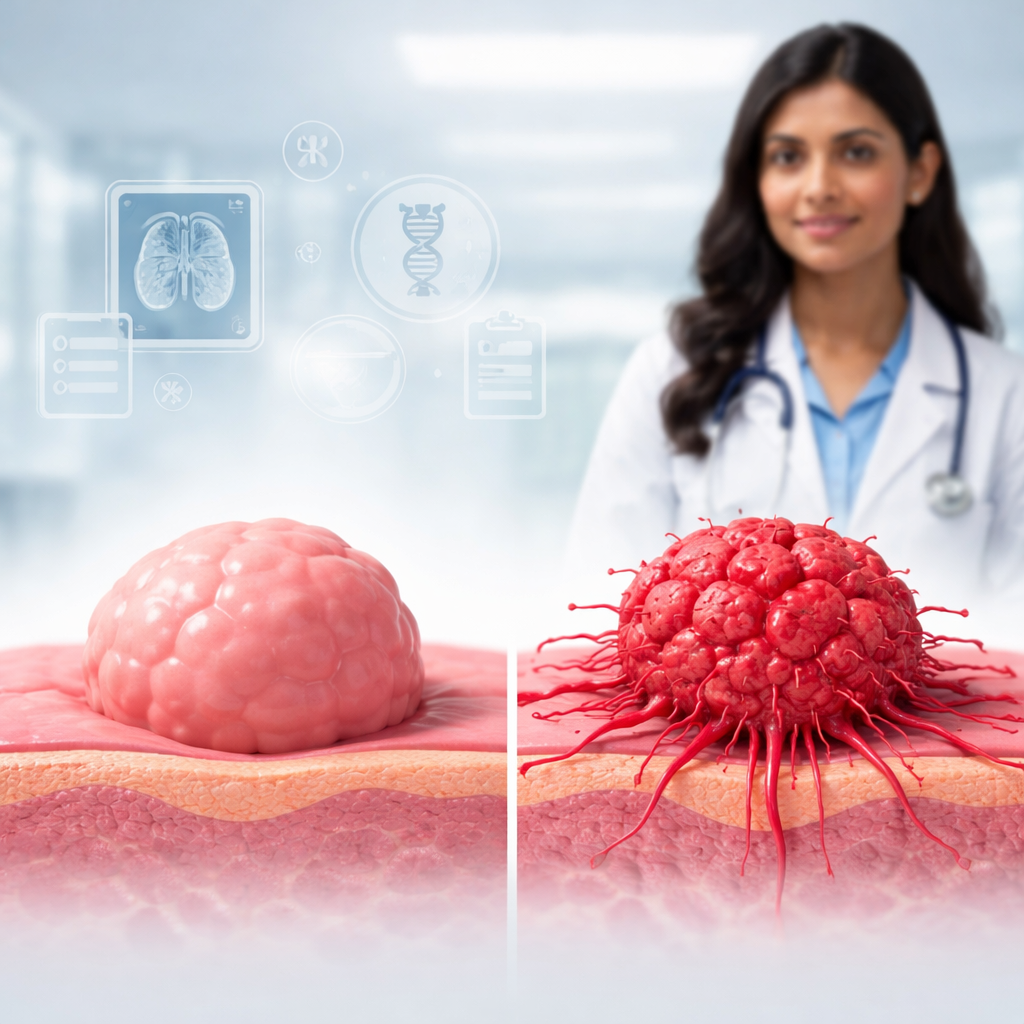
Benign tumors are abnormal growths that, while non-cancerous, can cause significant concern for many people. These tumors grow slowly and do not spread to other parts of the body, making them less threatening than their malignant counterparts. Often encapsulated, benign tumors typically remain in a single location and are contained, which helps in their surgical removal if necessary. Despite their non-cancerous nature, benign tumors can still cause issues depending on their size and location. For instance, a benign tumor in the brain could exert pressure on surrounding tissues, leading to neurological symptoms. Key signs of benign tumors include a noticeable lump or swelling that doesn't grow rapidly, and they often feel smooth and are moveable beneath the skin. Consultation with a healthcare professional, such as Dr. Jyoti Mehta, is essential for proper diagnosis and management.
Understanding the characteristics of benign tumors helps alleviate unnecessary worry and ensures clear communication with your doctor. Having familiarity with these types of tumors supports better health decisions and personalized care, ultimately leading to effective management strategies.
Characteristics of Malignant Tumors in Baner
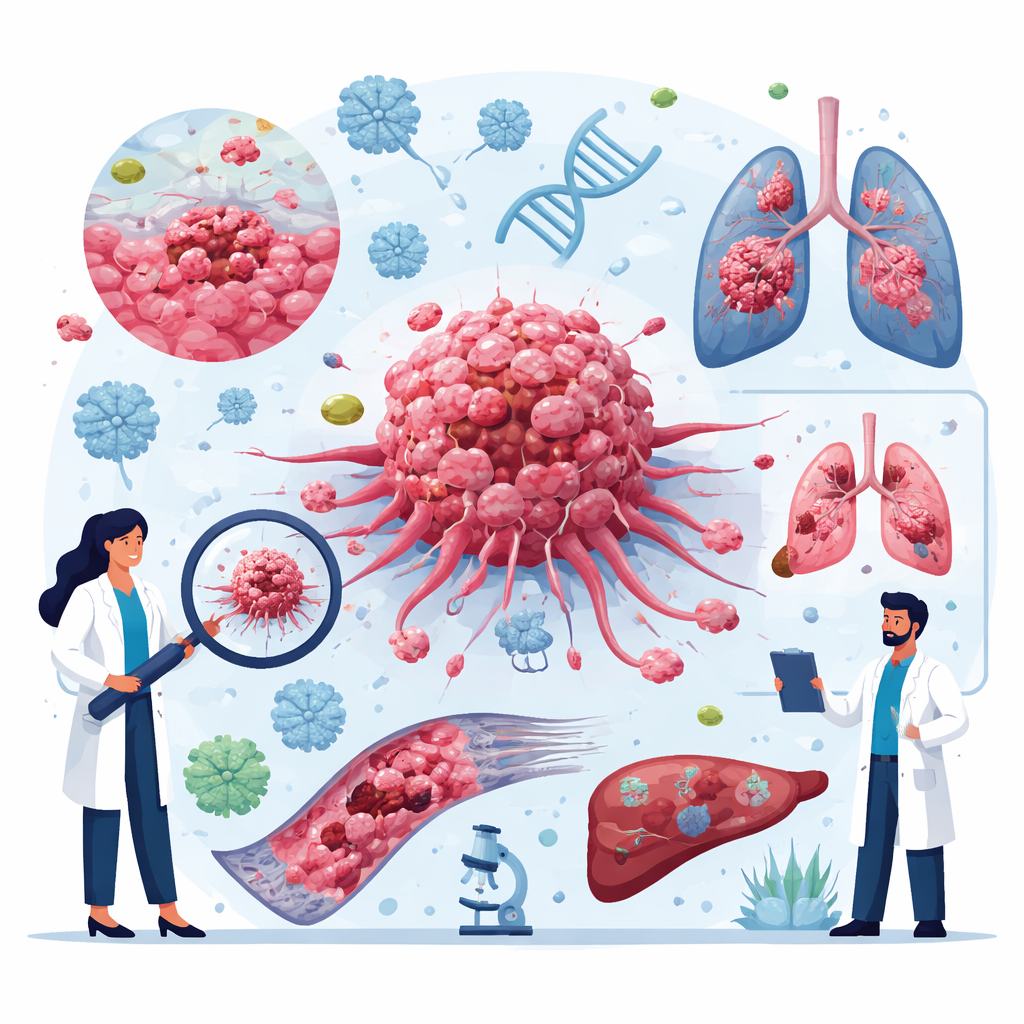
Unlike benign tumors, malignant tumors are aggressive and cancerous, characterized by their ability to invade nearby tissues and spread to distant body parts through a process called metastasis. These tumors can proliferate rapidly, often evading the body's control mechanisms. Because of their invasive nature, they pose a significant health threat and require prompt medical attention. Early signs of malignant tumors include unexplained weight loss, persistent fatigue, and severe pain in specific areas. The unpredictability of their growth and potential spread necessitates thorough and continuous monitoring. Malignant tumors often require a combination of treatment approaches, including surgery, chemotherapy, and radiation therapy. Consulting with medical professionals like Dr. Jyoti Mehta is crucial for tailoring an appropriate treatment plan. Educating oneself about the potential
risks and treatment options associated with malignant tumors can empower patients, leading to more informed and proactive engagement with healthcare providers. Understanding these points highlights the urgent need for awareness and regular health check-ups.
Diagnostic Approaches for Differentiating Tumors in Baner
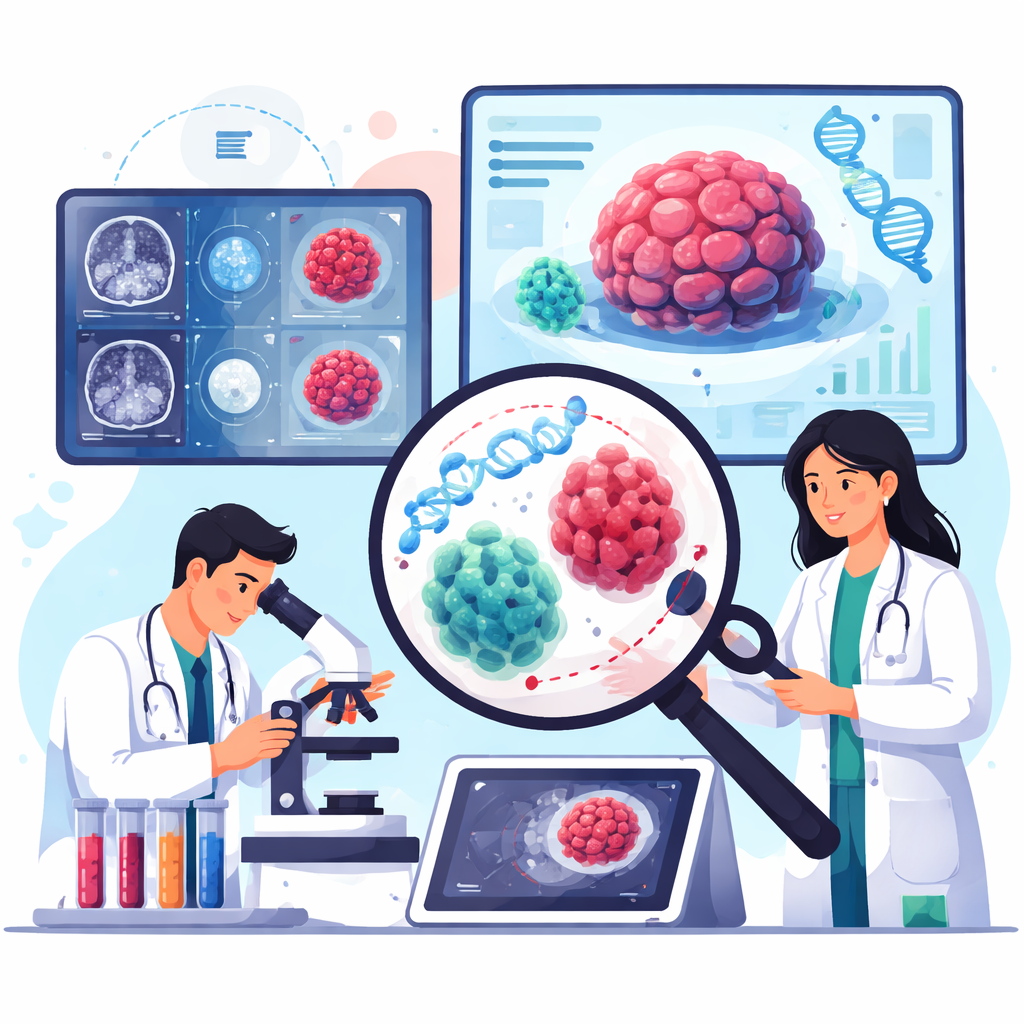
Accurate diagnosis is pivotal when distinguishing between benign and malignant tumors, as it shapes the entire treatment strategy. Physicians employ a range of diagnostic tools, including imaging techniques like CT scans, MRIs, and ultrasounds, to gain insights into the tumor's nature. Biopsies, involving the extraction of tissue samples, are often definitive in determining whether a tumor is benign or malignant. Blood tests and genetic profiling also play a critical role in assessing tumor characteristics and potential prognoses. Due diligence in diagnosis can prevent unnecessary treatments and ensure that patients receive the most appropriate interventions. Consulting with a specialist, particularly someone like Dr. Jyoti Mehta, can facilitate a deeper understanding of diagnostic results. With timely and precise interpretation, patients can better comprehend their diagnosis, eas
ing anxiety and fostering trust in medical care. Diagnostic accuracy not only improves treatment outcomes but also reinforces the importance of regular health evaluations.
Consultation and Personalized Care with Dr. Jyoti Mehta in Baner
Receiving a tumor diagnosis can be overwhelming, making a reliable and knowledgeable healthcare partner invaluable. Dr. Jyoti Mehta offers expertise in interpreting complex medical diagnoses and formulating personalized treatment plans. Through detailed consultations, patients gain a clearer understanding of their condition, enabling them to make informed decisions about their care. Dr. Mehta prioritizes patient education, ensuring that individuals comprehend their options fully, thus enhancing their confidence in the treatment process. With a compassionate approach, she tailors interventions to match each patient’s specific needs and circumstances. This personalized care model not only aligns with modern healthcare standards but also ensures that patients feel supported throughout their medical journey. Investing time in consulting with experts like Dr. Mehta is a crucial step
in navigating the complexities of tumor management, ultimately fostering trust and improving health outcomes.
Frequently Asked Questions
What is the key difference between benign and malignant tumors?➤
Benign tumors are non-cancerous growths that do not spread beyond their original location, whereas malignant tumors are cancerous and can invade nearby tissues and metastasize to other parts of the body. If you're seeking to understand your tumor diagnosis, consulting experts like Dr. Jyoti Mehta can provide clarity and guidance.
Can benign tumors turn into malignant tumors?➤
Benign tumors generally remain non-cancerous, but some can undergo changes that make them malignant. Regular monitoring and follow-ups with healthcare professionals ensure any changes are detected early. Consulting with a trusted healthcare provider like Dr. Jyoti Mehta can help you stay informed about your specific tumor risks and management strategies.
How are malignant tumors treated?➤
Malignant tumors typically require a comprehensive treatment plan that may include surgery, chemotherapy, and radiation treatment. The specific approach depends on the type and stage of the tumor. Personalized care from specialists like Dr. Jyoti Mehta ensures that patients receive the most effective treatment options tailored to their needs.
Why is early detection of tumors important?➤
Early detection of tumors increases the options for successful treatment and improves the prognosis, especially for malignant tumors. Regular check-ups and engaging with qualified medical experts aid in timely intervention. If you suspect any symptoms, consult professionals like Dr. Jyoti Mehta for early diagnosis and comprehensive care.
What should I expect during a consultation with a tumor specialist?➤
During a consultation, you can expect a thorough review of your medical history, a discussion on symptoms, and the review of any tests. The specialist, such as Dr. Jyoti Mehta, will explain potential diagnoses and treatment options, providing clear guidance to help you make informed decisions about your health.