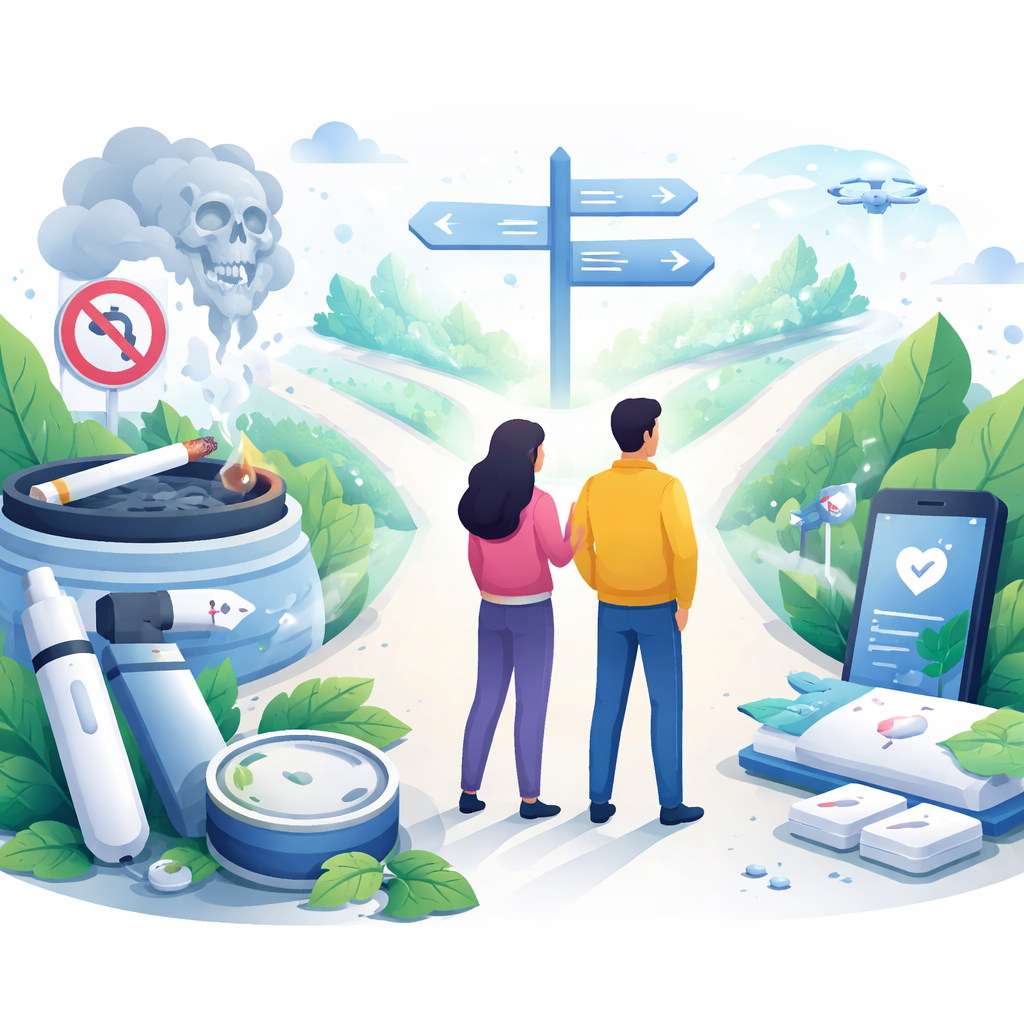
Does Smoking Always Cause Cancer? Unveiling the Truth in Ravet
Understanding the Link Between Smoking and Cancer in Ravet
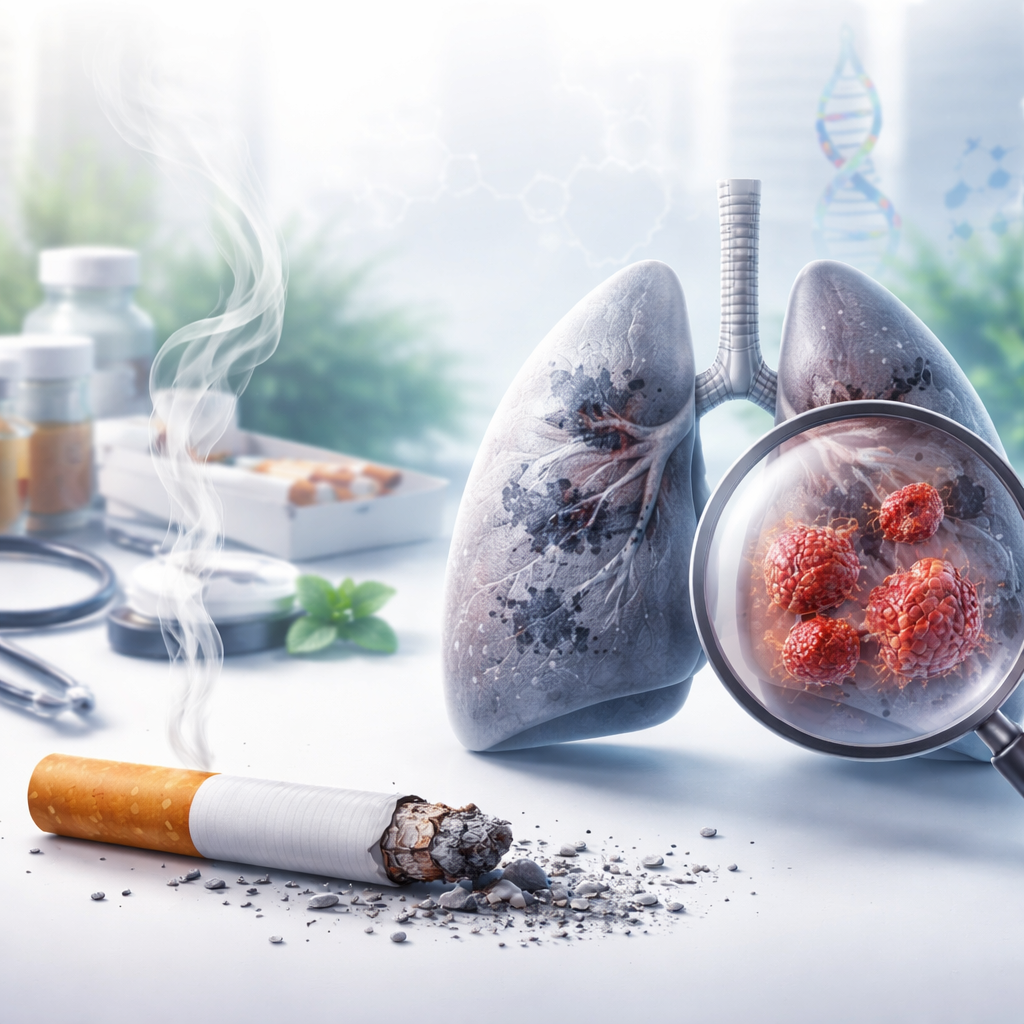
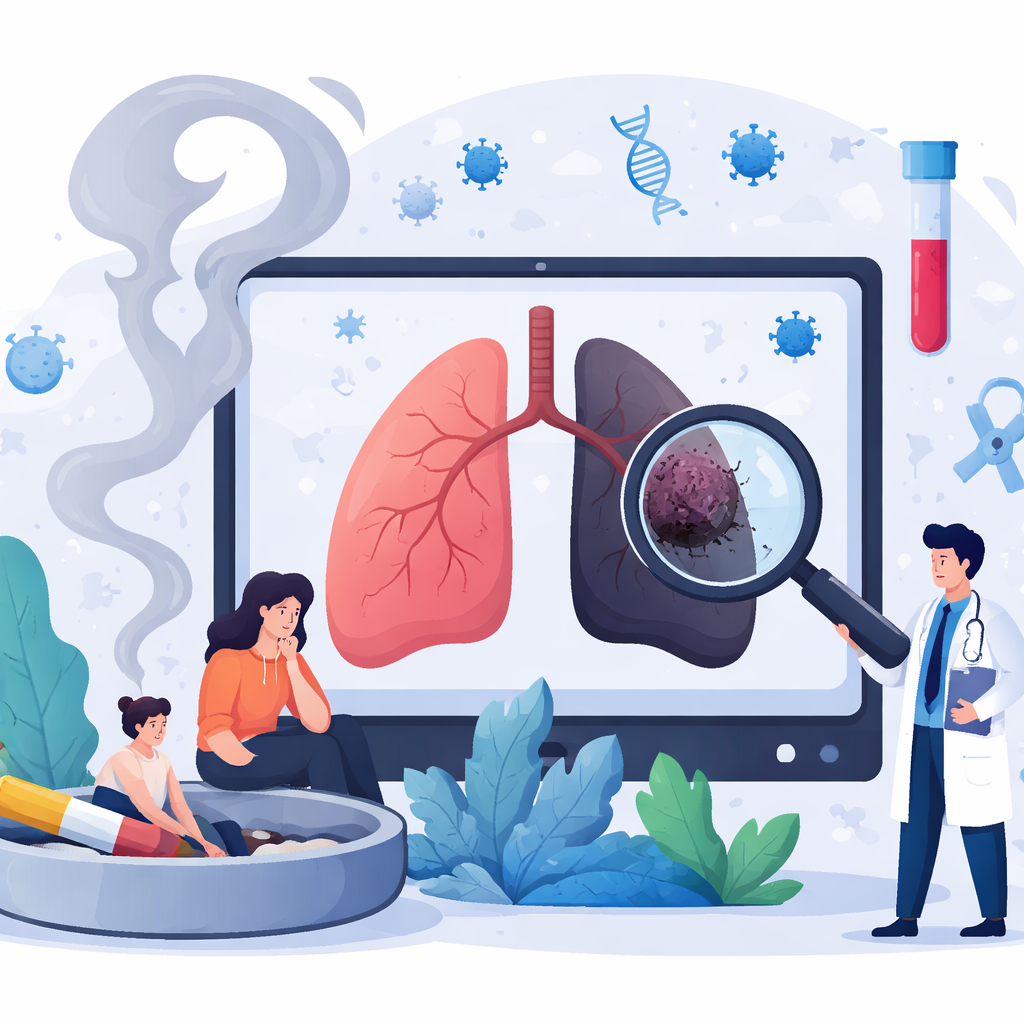
The question of whether smoking always causes cancer is complex. Several studies have established a strong correlation between smoking and cancer, particularly lung cancer. The risk arises due to carcinogens present in tobacco smoke. These carcinogens can damage the DNA in cells, potentially leading to cancerous mutations. Although not everyone who smokes will develop cancer, smoking significantly increases the risk. Around 85% of lung cancers are attributed to smoking, indicating a strong association. There are also other types of cancers linked to smoking, including those of the mouth, throat, esophagus, and bladder. Understanding the widespread impact of smoking is crucial in appreciating its role in cancer development. While individual susceptibility varies, factors such as genetics, the duration of smoking, and overall health influence outcomes. Public health initiativ
es emphasize the importance of smoking cessation in reducing cancer risk. As research progresses, more is understood about how smoking contributes to cancer, but the consensus remains that smoking is a leading preventable cause of death globally. This ubiquitous risk cannot be overstated, making awareness vital in prevention efforts.
The Biochemistry of Smoking-Related Cancer in Ravet
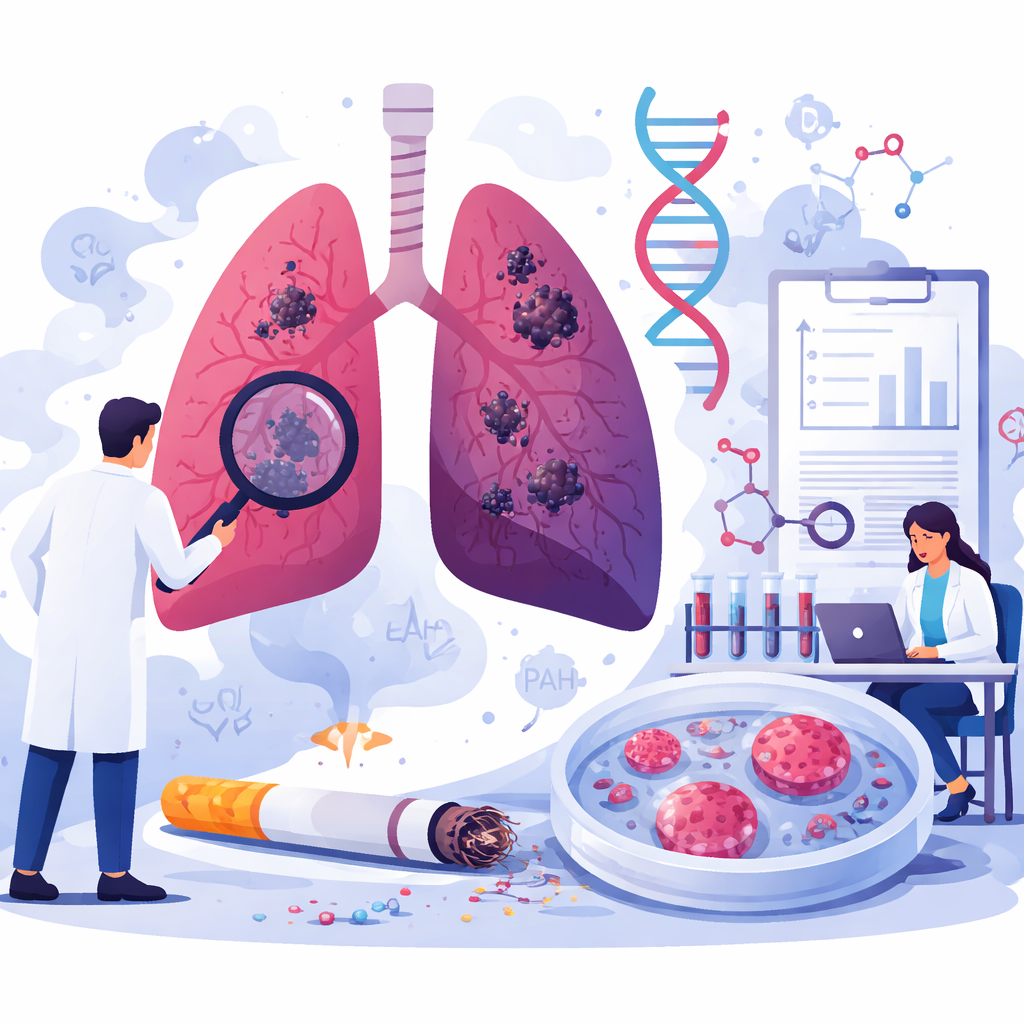
The biochemical processes underlying cancer development in smokers are intricate. Tobacco smoke contains over 7,000 chemicals, hundreds of which are toxic, and at least 69 are known carcinogens. These substances interfere with normal cell division and repair mechanisms in the body. A prominent carcinogen includes benzene, which severely alters the DNA structure over time. With chronic exposure, these harmful chemicals lead to mutations that escape regular cellular repair processes. The body's natural defenses can often manage small amounts of damage, but continuous smoking overwhelms this system, increasing cancer risk exponentially. The body's inability to cope with sustained chemical assault results in cellular degradation. Additionally, smoking affects the immune system, making it less effective at identifying and destroying cancer cells. As medical research evolves, understand
ing the impact of these chemical interactions helps in developing targeted therapies and preventive measures. Emphasizing the biochemical impact of smoking assists health reform campaigns in illustrating the tangible dangers of tobacco use. Remaining educated on these scientific advances is essential for promoting public health.
Preventive Strategies Against Smoking-Induced Cancer in Ravet
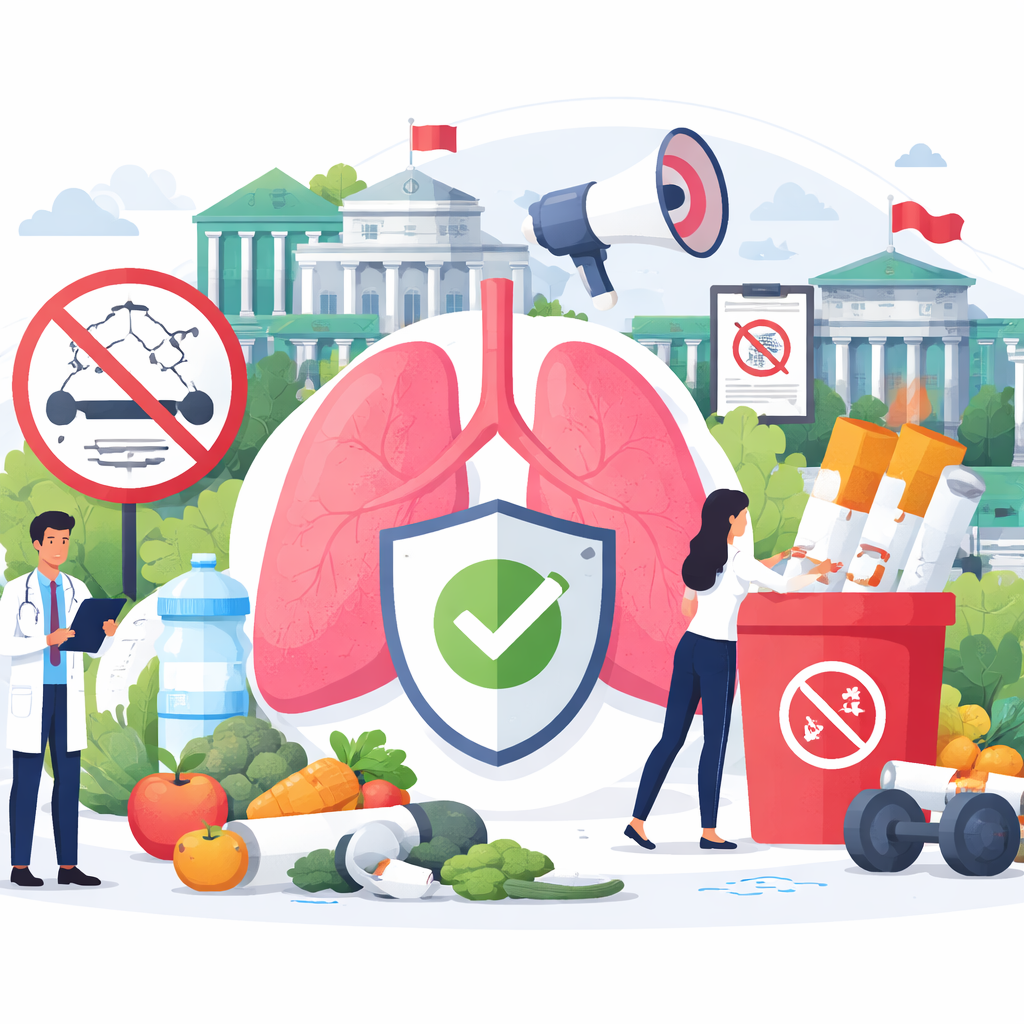
Preventing smoking-induced cancer requires comprehensive strategies inclusive of both individual choices and public policy. Key personal strategies involve cessation support, nicotine replacement therapies, and behavioral interventions. Programs that offer counselling and community support have shown success in helping smokers quit. Additionally, mobile applications and online resources provide accessible aids for those trying to stop smoking. Public policies play a substantial role, with measures such as increasing tobacco taxes, enforcing strict advertising bans, and introducing smoke-free laws. These government interventions significantly reduce smoking rates by making smoking less accessible and socially acceptable. Education campaigns targeting young populations are critical in preventing smoking initiation. On a broader scale, international frameworks like the World H
ealth Organization’s Framework Convention on Tobacco Control provide a strategic approach to reducing tobacco use globally. By understanding these preventive measures and actively participating in them, individuals and communities can greatly decrease the prevalence of smoking-related cancers. It demonstrates the power of combined individual and societal effort in mitigating one of the most significant health risks worldwide.
Exploring Alternatives and Future Directions in Ravet
The push for healthier alternatives to smoking is more pressing as the harmful effects become increasingly untenable. Options such as vaping, while controversial, are marketed as safer substitutes. However, early studies indicate that they may also contain significant carcinogenic potential. Non-nicotine options like herbal cigarettes and therapies that promote relaxation and stress management are gaining traction. These methods aid in reducing dependence on nicotine without exposing users to harmful smoke. They are often supported as part of a comprehensive cessation program. Furthermore, biotechnology provides potential future interventions, exploring genetics to understand susceptibility to addiction and cancer. Personalized healthcare may offer tailored cessation programs that consider an individual’s genetic makeup, improving success rates. Public health initiatives continu
e to adapt towards these advancements, striving to dismantle the social and cultural norms surrounding smoking. As technology advances, so does the hope of eradicating smoking-related cancers through innovative prevention and treatment strategies. Encouraging exploration in alternative therapies and genetic research reflects society's commitment to overcoming smoking addiction, ensuring a healthier future for all.
Frequently Asked Questions
Does smoking always lead to cancer?➤
While not every person who smokes develops cancer, smoking significantly elevates the risk. Smoking is the cause of about 85% of lung cancer cases and is closely associated with numerous other cancers. Factors like duration, intensity, and personal health contribute to an individual's risk level. It is essential to remember that smoking is one of the leading preventable causes of cancer worldwide.
How can I reduce my risk of smoking-related cancer?➤
Reducing risk involves cessation efforts, such as using nicotine replacement therapies and seeking behavioral support. Public health measures also play a role, including smoke-free laws and increased tobacco taxes. Personal and community strategies combined can greatly decrease your chances of developing cancer from smoking.
Are there healthier alternatives to smoking?➤
Healthier alternatives include non-nicotine options like herbal cigarettes, which avoid exposing users to harmful carcinogens. Other alternatives are behavioral therapies focusing on stress reduction and relaxation. However, caution is needed with alternatives like vaping, as early research suggests they may also pose health risks.
What role does genetics play in developing cancer from smoking?➤
Genetics can influence how susceptible a person is to smoking addiction and the consequential cancer risk. Some people may be more prone to the effects of tobacco due to their genetic makeup. Ongoing research aims to understand these genetic factors, potentially leading to personalized cessation programs tailored to individual genetic profiles.
How effective are public health campaigns in reducing smoking rates?➤
Public health campaigns, through educational initiatives and policy changes, have been highly effective in reducing smoking rates. Campaigns focus on awareness, prevention, and the social, economic, and health impacts of smoking. Successful interventions include advertising bans and increased cigarette taxes, both of which discourage smoking.