Understanding the Link Between Smoking and Cancer in Pimple Saudagar
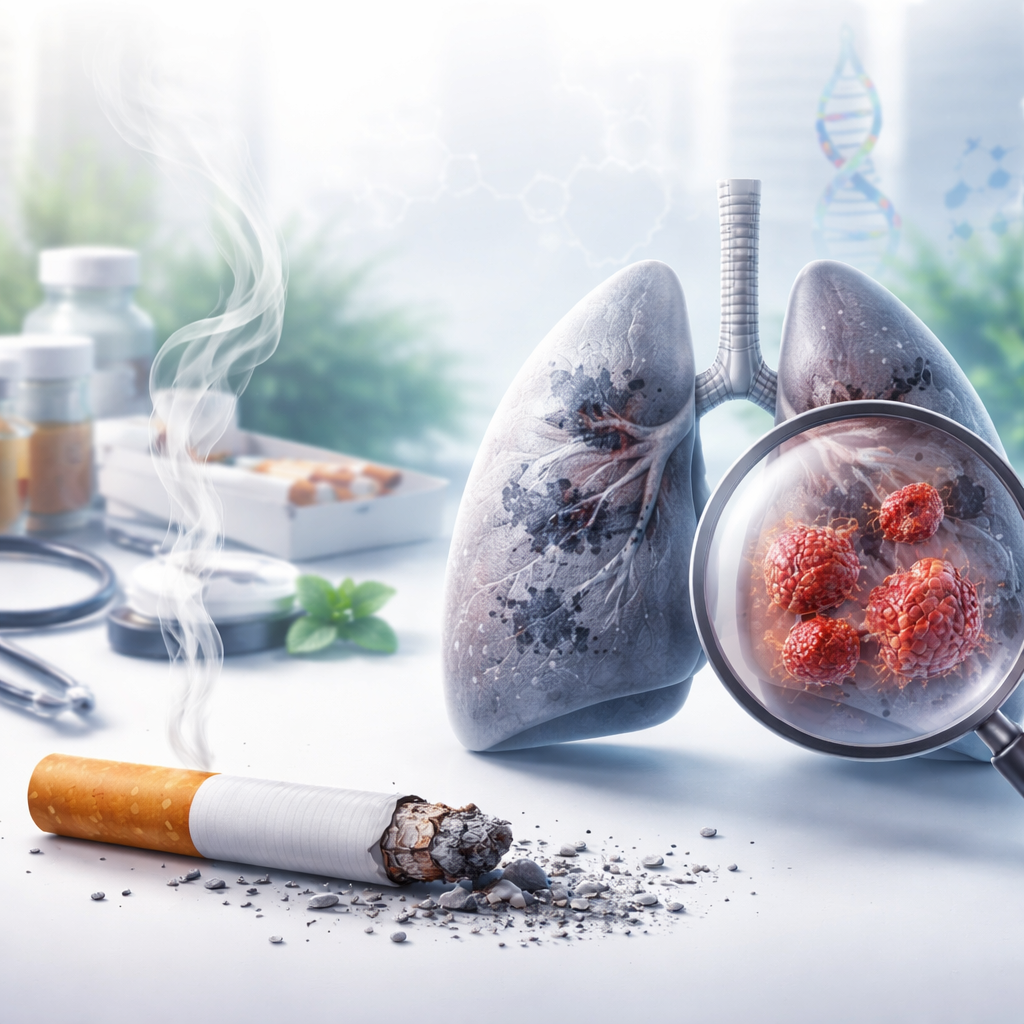
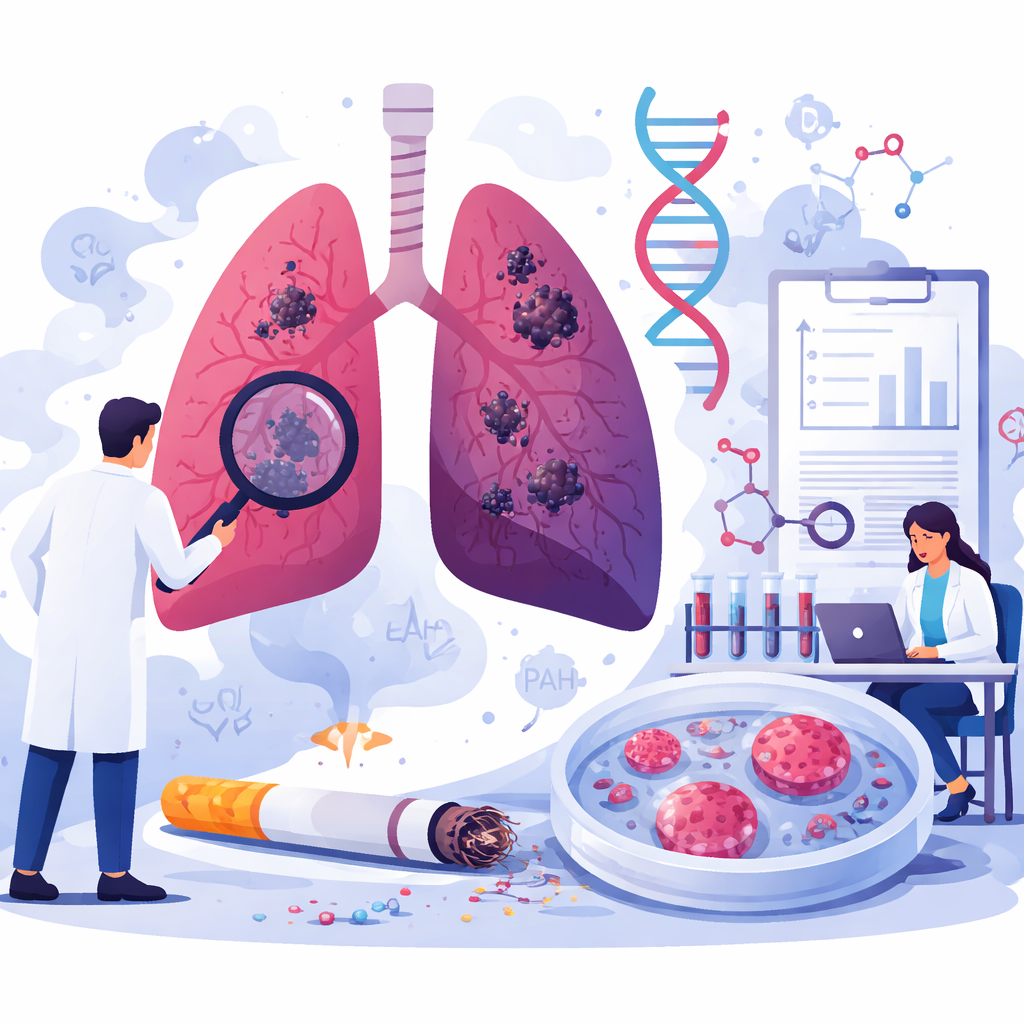
The question of whether smoking always causes cancer is complex. Several studies have established a strong correlation between smoking and cancer, particularly lung cancer. The risk arises due to carcinogens present in tobacco smoke. These carcinogens can damage the DNA in cells, potentially leading to cancerous mutations. Although not everyone who smokes will develop cancer, smoking significantly increases the risk. Around 85% of lung cancers are attributed to smoking, indicating a strong association. There are also other types of cancers linked to smoking, including those of the mouth, throat, esophagus, and bladder. Understanding the widespread impact of smoking is crucial in appreciating its role in cancer development. While individual susceptibility varies, factors such as genetics, the duration of smoking, and overall health influence outcomes. Public health initiativ
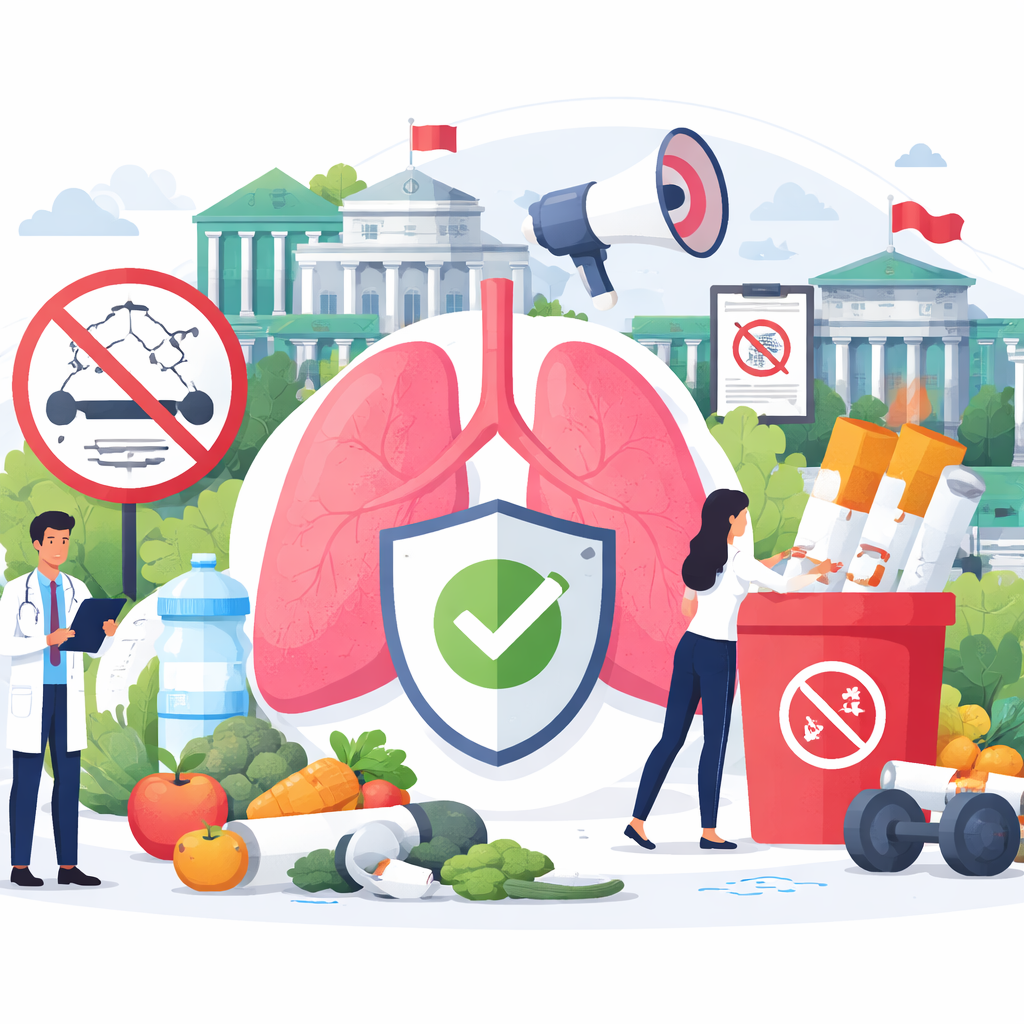
es emphasize the importance of smoking cessation in reducing cancer risk. As research progresses, more is understood about how smoking contributes to cancer, but the consensus remains that smoking is a leading preventable cause of death globally. This ubiquitous risk cannot be overstated, making awareness vital in prevention efforts.