Is Radiation Therapy Painful? Understanding Patient Experiences in Ravet
Understanding the Basics of Radiation Therapy in Ravet
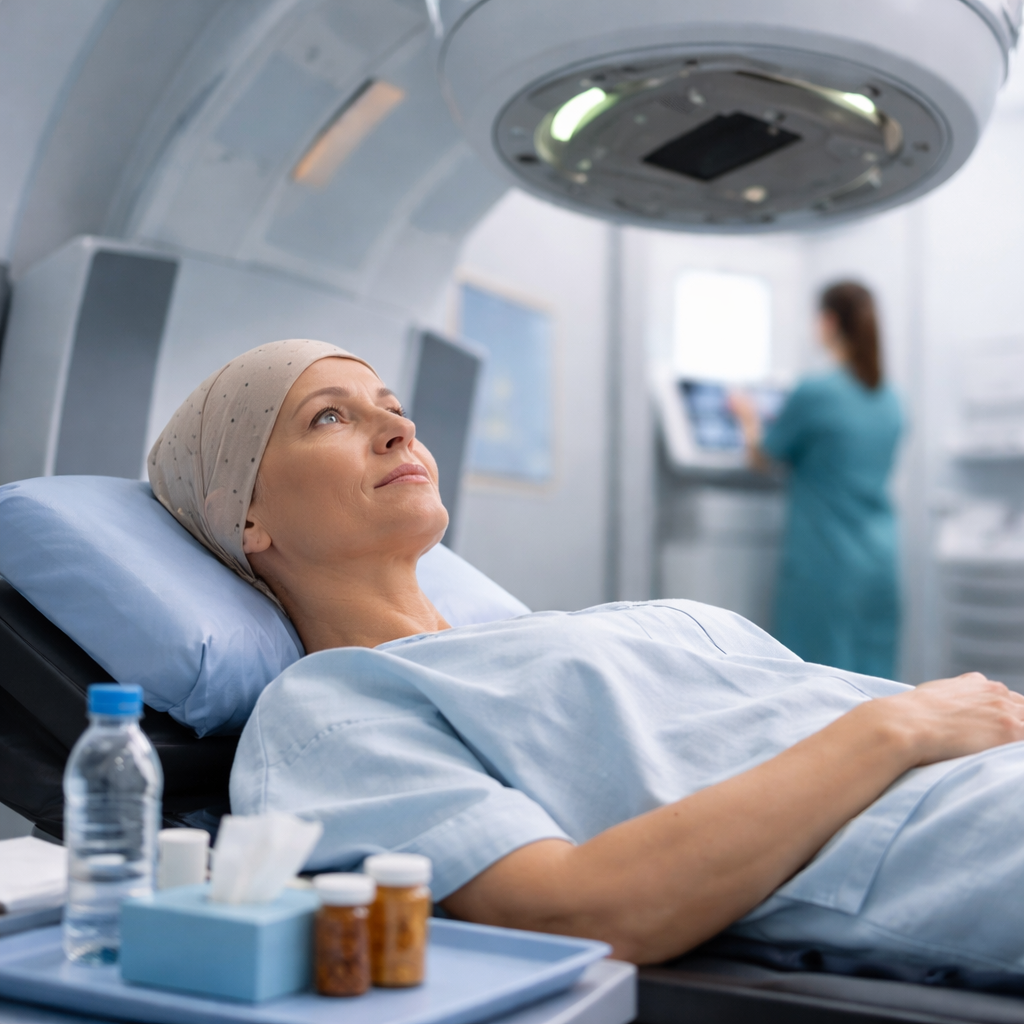
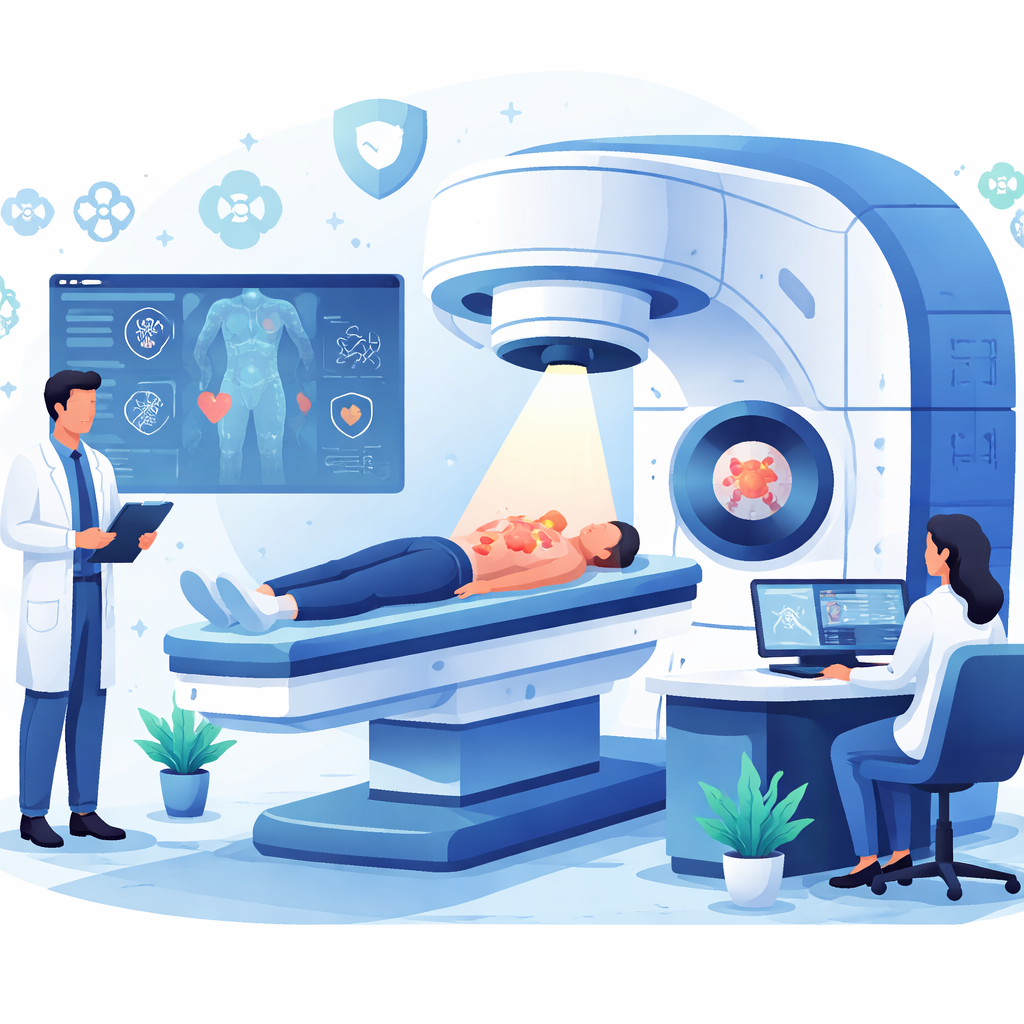
Radiation therapy is a common treatment for various types of cancer, known for its precision in targeting cancerous cells. But the question many have is, is radiation therapy painful? The procedure itself is generally not painful, as the technology is designed to focus on cancer cells with minimal impact on surrounding tissue. Patients often report feeling a sensation of warmth or tingling in the area being treated. Radiation side effects such as skin irritation, fatigue, and varying levels of localized discomfort may occur, but these typically arise after repeated sessions rather than during the initial treatment. Understanding the process can alleviate fears; for many, the anxiety of the unknown can cause additional stress. Education is crucial, not just for the patient but their support system as well. Cancer treatment regimens are designed with the patient's comf
ort in mind, often involving a team of oncologists, radiation technicians, and supportive care specialists. Modern advancements in radiation therapy continue to enhance patient experience, focusing on reducing discomfort and maximizing efficacy.
Physical Sensations During and After Radiation Therapy in Ravet
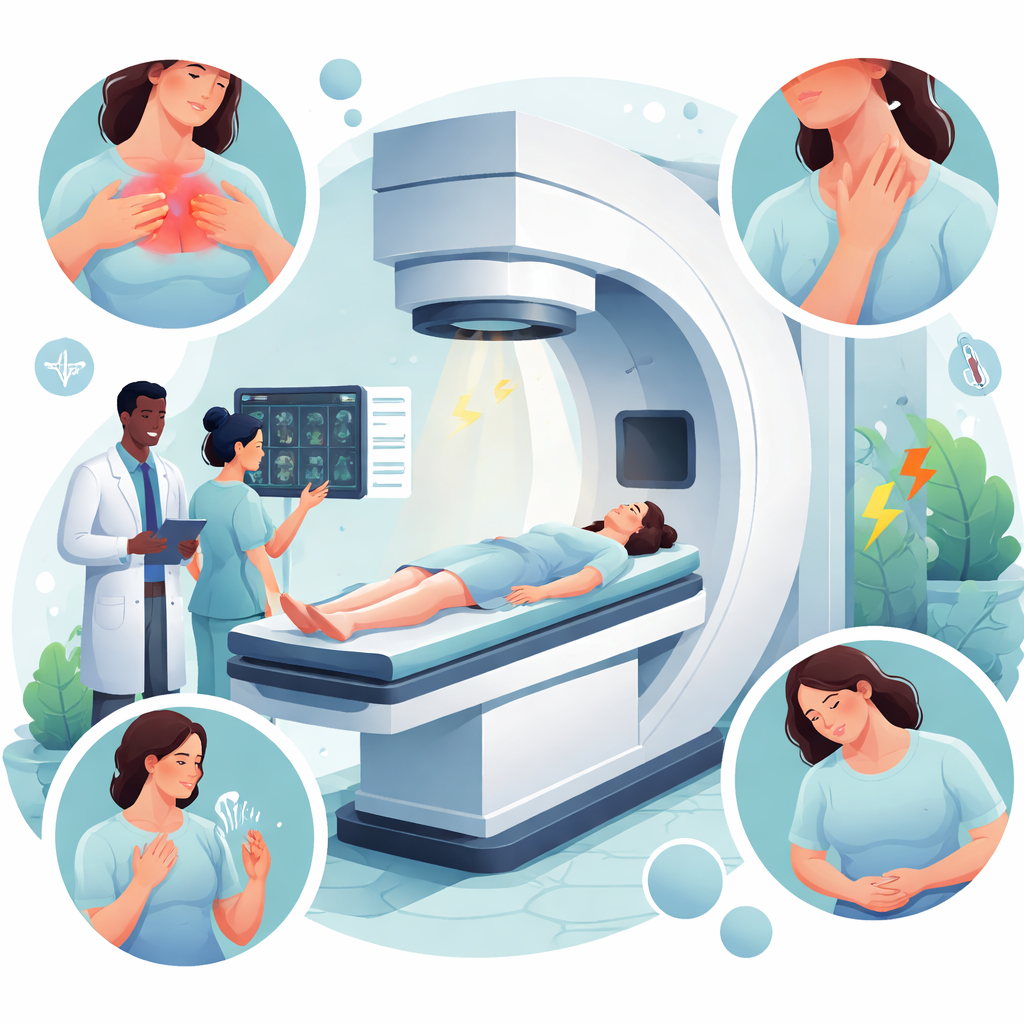
Many patients inquire about what they can expect to feel during radiation therapy. While the procedure itself is non-invasive, sensations can vary significantly. During the actual treatment, many do not feel any immediate discomfort. The true challenge comes with radiation side effects that may develop over time. For instance, skin may become sensitive or display redness similar to a sunburn, leading to a sensation of tightness or itchiness. Some patients experience a temporary increase in discomfort due to swelling or tenderness in the treated area. Fatigue is another common side effect, which can be profound and affect daily activities. Adequate rest, hydration, and nutrition are vital to managing these symptoms. Employing strategies from healthcare providers, such as soothing skin creams and compresses, can also make a difference. These insights frame a realistic yet hopeful pi
cture of what undergoing radiation therapy entails, reinforcing the importance of discussing concerns with a healthcare team to alleviate fears and improve comfort.
Emotional Experience and Pain Management Strategies in Ravet
The emotional impact of radiation therapy cannot be underestimated. Navigating treatments often involves a complex mix of hope, fear, and uncertainty. For many patients, fear about potential pain and cancer treatment discomfort can lead to heightened stress levels. Open communication with healthcare providers about pain expectations and effective management strategies is essential. Techniques like mindfulness meditation, counseling, and support groups can significantly aid in managing anxiety. Healthcare teams often incorporate integrated approaches, focusing on both physical and emotional well-being to foster a supportive treatment environment. Radiation therapy pain management might include medications prescribed to alleviate discomfort or techniques such as heat therapy, which patients have found soothing. Addressing concerns about pain early in the treatment helps build
trust with medical teams and empowers patients by involving them more actively in their care. This holistic approach helps demystify the process, making it less intimidating and more manageable for patients.
Improving Patient Comfort and Care in Radiation Therapy in Ravet
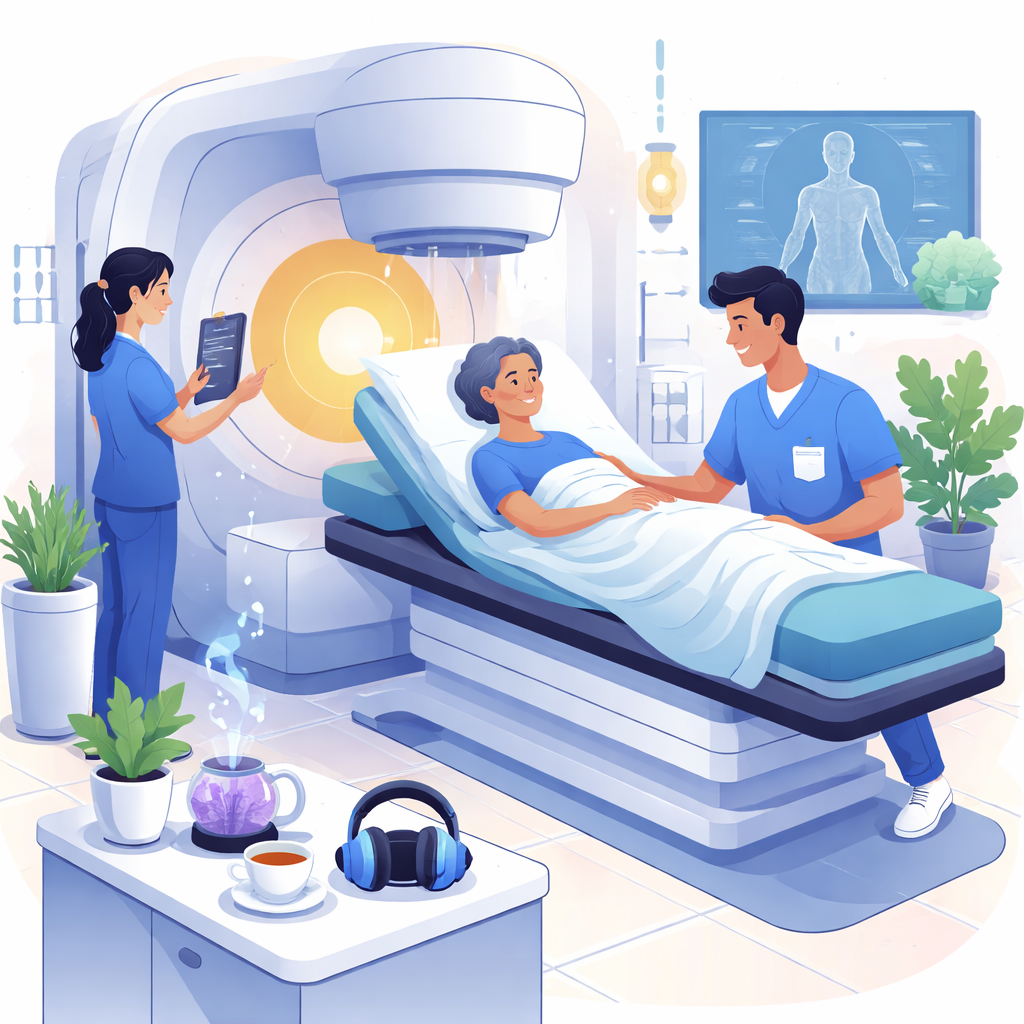
Enhancing patient comfort during radiation therapy is a priority for healthcare providers. New technologies and techniques minimize harm to healthy tissues, leading to fewer radiation side effects. Facilities are increasingly designed with patient comfort in mind, including calming décor, supportive seating, and private consultation rooms. Patients are encouraged to participate in personalizing elements of their treatment plan, which can include music choices during therapy or customized schedules to minimize disruption to personal life. Education is crucial, providing first-time patients with detailed information about what to expect can reduce anxiety and build trust. Clinics often integrate wellness services like nutrition consultations and physical therapy to support recovery. The emphasis on a patient-centered approach highlights the commitment to improving overall treatment
experiences, where patients feel heard and valued, ultimately leading to higher satisfaction and better outcomes. This transformation parallels advancements in medical technology, focusing not just on survival but quality of life, key to successful cancer treatment.
Frequently Asked Questions
Is radiation therapy painful?➤
Many patients wonder, is radiation therapy painful? During the actual procedure, most do not experience pain. The machine targets cancer cells without harming surrounding tissues. Some may feel warmth or tingling, but this is not typically painful. Side effects like skin irritation or fatigue might develop post-treatment, which can cause discomfort, but these are manageable with medical support.
What side effects should I expect from radiation therapy?➤
Patients undergoing radiation therapy may experience side effects such as skin redness, similar to a sunburn, localized pain, or fatigue. These effects usually develop after several sessions rather than during the initial treatment. Discussing these with your medical team helps in effectively managing and reducing discomfort throughout your treatment journey.
How can I manage discomfort after radiation therapy?➤
Managing any discomfort post-radiation therapy involves following your healthcare provider’s recommendations. This might include using prescribed creams for skin irritation, ensuring adequate rest, and maintaining proper hydration and nutrition. These strategies, combined with a calming mental outlook, can significantly enhance your comfort and recovery process.
Is there anything I can do to prepare for radiation therapy?➤
To prepare for radiation therapy, you can consult with your care team about what to expect. Understanding the procedure, potential side effects, and pain management options helps ease anxiety. Also, arranging for support from friends or family can aid in managing fatigue or other side effects, making the process smoother and less stressful.
Can I continue normal activities during radiation therapy?➤
Yes, many patients can continue with their daily activities during radiation therapy. It's advisable to listen to your body and rest when needed, as fatigue is common. Discussing your routine with your healthcare provider ensures that your activity levels are appropriate and adapted to your specific needs and energy levels.