Menu

Comprehensive Guide to GI Cancer: Symptoms, Diagnosis, and Treatment in Talegaon

Understanding GI Cancer Symptoms in Talegaon

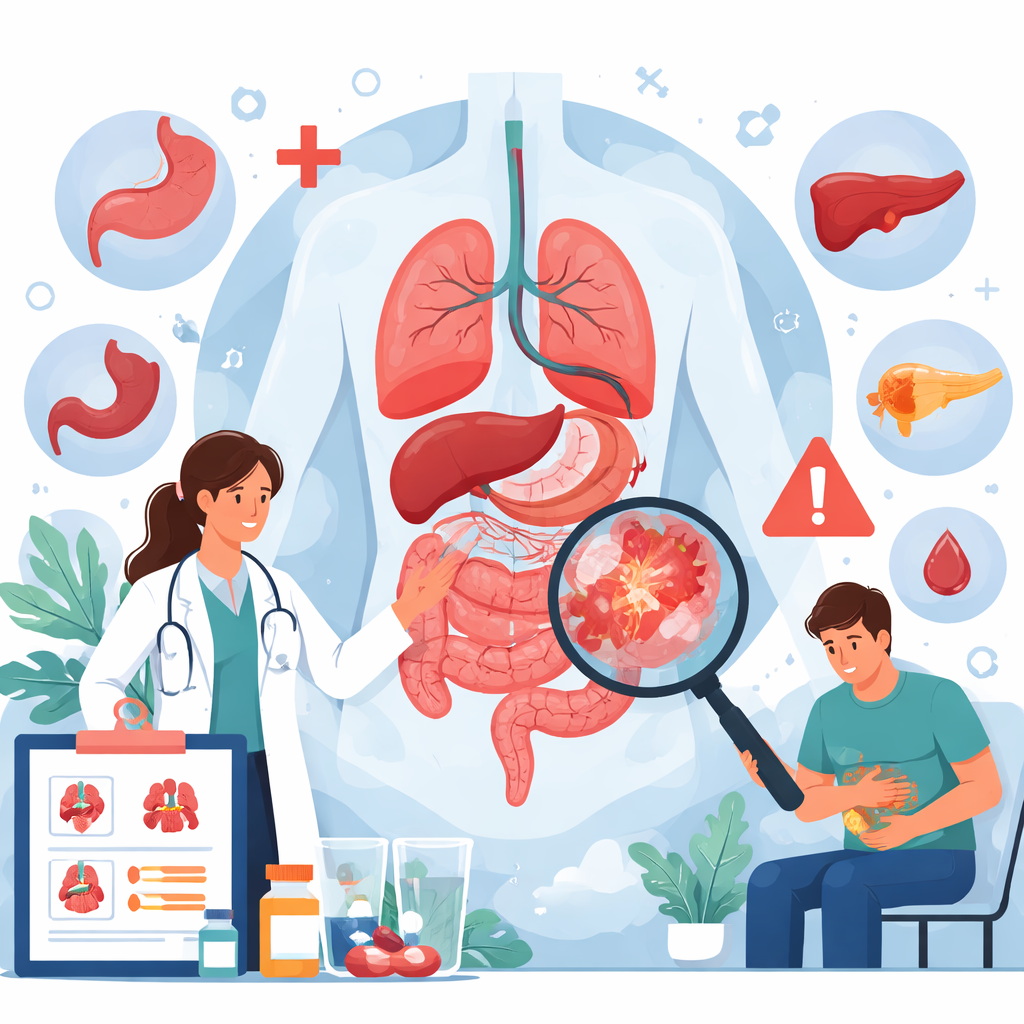
Gastrointestinal (GI) cancer encompasses a group of cancers affecting the digestive system, including the esophagus, pancreas, liver, stomach, colorectal, and anus. Recognizing the early symptoms of GI cancer is crucial for timely diagnosis and treatment. Common symptoms include persistent abdominal pain, unexplained weight loss, and difficulty swallowing. Patients may also experience changes in bowel habits, such as constipation or diarrhea, along with rectal bleeding. These symptoms often seem benign, but early detection significantly improves treatment outcomes. At Dr. Jyoti Mehta's clinic, comprehensive screenings are performed to identify underlying causes effectively. Leveraging the latest technology, these screenings enable precise diagnosis, which is essential for initiating appropriate interventions. Ignoring warning signs could lead to advanced stages, making earl
y consultation pivotal. Understanding these symptoms empowers patients to seek medical advice promptly, emphasizing the importance of awareness and proactive healthcare measures.

The Importance of Early Diagnosis in Talegaon

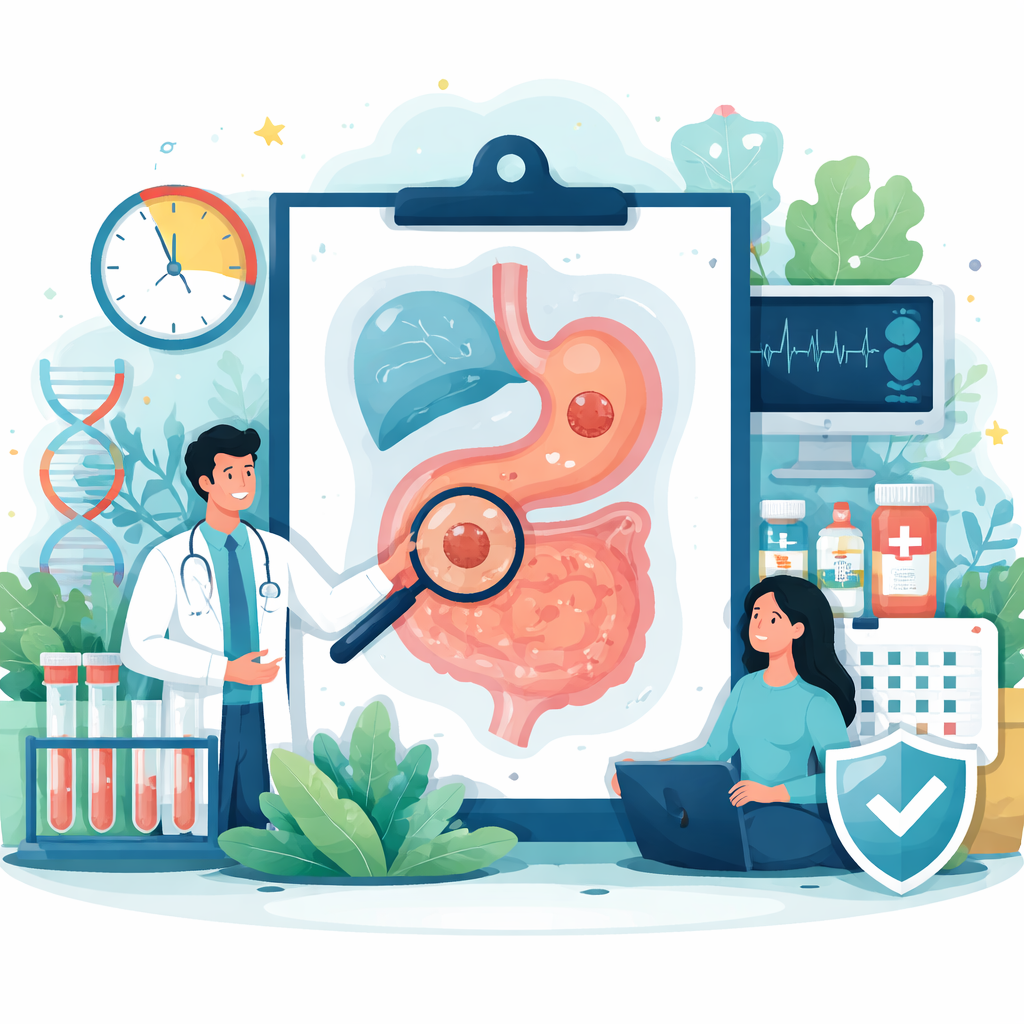
Early diagnosis is critical in managing GI cancer, as it substantially boosts the chances of survival and recovery. Dr. Jyoti Mehta advocates for preemptive screenings to catch cancer at its nascent stage. These screenings involve advanced imaging techniques and biopsies, which can identify tumors before symptoms worsen. Initiating treatment earlier often translates to less aggressive interventions, preserving quality of life. Moreover, understanding lab results and scans helps in anticipating the disease's progression, empowering patients with valuable knowledge. At Dr. Mehta’s facility, the medical team is equipped with cutting-edge diagnostic tools that enhance accuracy, with a commitment to compassionate care. This proactive approach means interventions can be tailored to minimize side effects and maximize effectiveness. Early diagnosis not only alleviates health anxieties b
ut also offers a pathway to a holistic, patient-focused treatment journey, emphasizing holistic wellbeing.

Treatment Options for GI Cancer in Talegaon

Once a GI cancer diagnosis is confirmed, it is vital to explore all available treatment options to tailor plans to individual needs. Common treatments include surgery, chemotherapy, radiation therapy, targeted therapy, and immunotherapy. The choice of treatment depends on cancer type, stage, and patient health profile. At Dr. Jyoti Mehta's practice, a multidisciplinary team collaborates to ensure comprehensive care. Surgical options may involve minimally invasive procedures aimed at reducing recovery time. Chemotherapy and radiation therapy are often used when tumors are unresectable or have metastasized. Targeted therapies are designed to attack cancer-specific genes or proteins, often having fewer side effects than conventional methods. Immunotherapy empowers the body's immune system to fight cancer more effectively. Personalized treatment plans are formulated to reflect evolving medical research, guiding patients through a transformative recovery journey with an emphasis on holistic care.

Why Visit Dr. Jyoti Mehta for GI Cancer Management in Talegaon

Choosing the right healthcare provider for GI cancer management can make a significant difference in treatment outcomes. Dr. Jyoti Mehta's clinic offers expertise in gastrointestinal oncology, ensuring patients receive top-tier care tailored to their specific situation. With a focus on both early diagnosis and advanced treatment, Dr. Mehta emphasizes a patient-centric approach. Her clinic’s state-of-the-art facilities are equipped to handle complex cases, offering a comprehensive suite of services from diagnosis to post-treatment care. The medical team is dedicated to transparent communication, enabling patients and families to understand each step of the treatment process. Trust and empathy are cornerstones of Dr. Mehta’s practice, ensuring each patient feels supported throughout their care journey. This commitment to patient-focused service, combined with technical excellence, ensures optimal outcomes, helping patients to not only survive but thrive beyond their treatment.

Frequently Asked Questions

What are the early symptoms of GI cancer?
The early symptoms of GI cancer include persistent abdominal pain, unexplained weight loss, and difficulty swallowing. Patients may notice changes in bowel habits, such as constipation or diarrhea, along with rectal bleeding. Consulting a healthcare provider for these symptoms can lead to an early diagnosis, crucial for effective treatment.
Why is early diagnosis important in GI cancer?
Early diagnosis of gastrointestinal cancer significantly improves treatment outcomes. It allows for interventions when the cancer is at an early stage, often requiring less aggressive treatments. Early detection through screenings, like those offered by Dr. Jyoti Mehta, improves survival rates and can reduce the likelihood of complications.
What treatment options are available for GI cancer?
GI cancer treatment options are varied, including surgery, chemotherapy, radiation therapy, targeted therapy, and immunotherapy. The choice depends on factors like cancer type, stage, and patient health. Dr. Jyoti Mehta's clinic provides personalized treatment plans ensuring the best possible outcome using advanced medical practices.
How does Dr. Jyoti Mehta's clinic approach GI cancer treatment?
Dr. Jyoti Mehta's clinic takes a comprehensive approach to GI cancer treatment, combining expert diagnosis with individualized care. The team uses state-of-the-art technology for early detection and personalizes treatment plans to each patient. This ensures efficient, compassionate care, addressing all aspects of patient wellbeing.
When should I get screened for GI cancer?
Screening for GI cancer is recommended if you experience symptoms like persistent abdominal discomfort or unexplained weight changes. Dr. Jyoti Mehta emphasizes the importance of screening for those at higher risk due to family history or age. Early screening can detect cancer before symptoms become severe, improving prognosis.
Call Us Now
Chat With Us